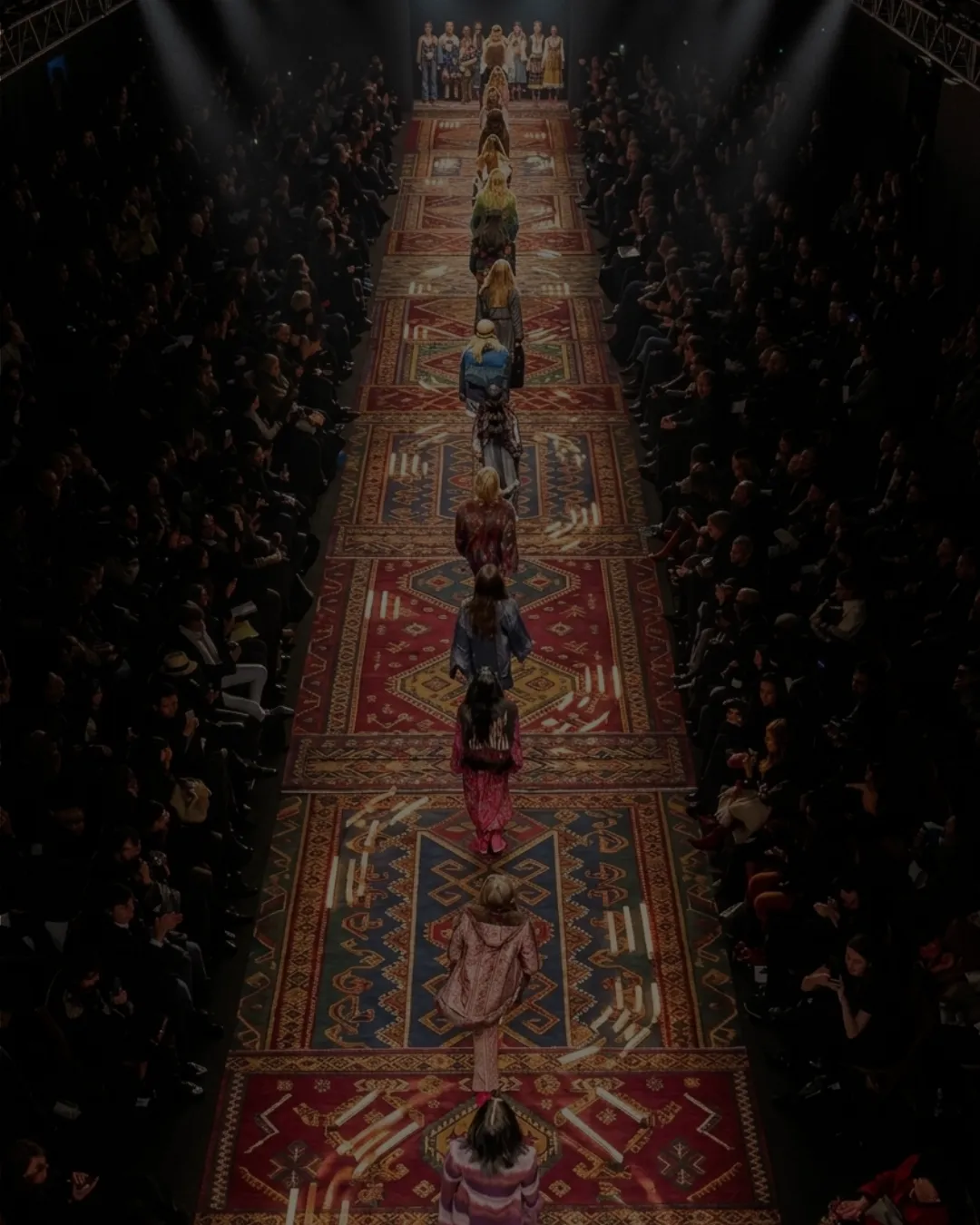
We all remember the body positivity era in fashion.
Runways became more inclusive, curvy models gained visibility, and for a moment it felt like beauty was finally expanding beyond the narrow standards the industry had imposed for decades.
But that moment seems to be fading.
Something has shifted, and not just on the runway. In fashion, in media, in wellness culture, even in the way we talk about our bodies, thinness is quietly becoming aspirational again.
The numbers say a lot. During the last four fashion weeks, only 0.3% of looks were worn by plus size models. Just one season earlier, that number was 0.9%. In six months, representation was cut by more than half.
This isn’t happening by chance.
Part of it is structural. Fashion moves faster than ever. Brands now produce between ten and fifteen collections a year, leaving almost no room for slowing down, rethinking, or adapting. Samples are made months before castings, usually in one size, and expanding production across multiple sizes means higher costs, more time, and more complexity.
But reducing the conversation to economics would be too easy.
What we are witnessing is cultural.
Thinness is returning, but not through the old language of early 2000s diet culture. It no longer arrives packaged as restriction or punishment. Today it comes dressed as wellness, discipline, optimization, longevity.
The messaging has changed. The obsession hasn’t.
And then there is the pharmaceutical shift.
The rise of medications like Ozempic has changed the perception of thinness entirely. What once felt genetically predetermined or painfully unattainable now feels accessible, at least for those who can afford it.
That changes desire.
Historically, body ideals have always been tied to class. There was a time when thinness was associated with scarcity, while fullness signaled abundance and privilege. Today the meaning has flipped.
Being thin increasingly reads as status.
It suggests control, discipline, access. It suggests you have the resources to optimize yourself, whether through elite wellness routines, personal trainers, private clinics, or expensive medication.
Thinness is no longer just aesthetic. It has become symbolic.
And maybe that is what feels most unsettling.
As culture becomes more conservative, exclusivity is gaining value again, while inclusivity starts to feel less fashionable, less desirable, less marketable.
So the real question is not whether body positivity is over.
The real question is: what kind of beauty culture are we moving toward?
Because fashion doesn’t just reflect desire. It shapes it.
And when one body type becomes aspirational again, someone else inevitably gets pushed to the margins.
So before celebrating the return of any ideal, we should ask ourselves something simple.
Who gets to feel beautiful?
And who gets left out?